The GLP-1 Secret No One Talks About: Why Fast Weight Loss Can Leave You Tired, Weaker, and Less Healthy!

You’ve probably seen the ads — glossy, smiling faces promising effortless weight loss.
Ozempic. Wegovy. Mounjaro.

They’re everywhere! On screens, in conversations, at dinner tables.

And it’s no wonder. After decades of frustration with diets that don’t deliver, these GLP-1 medications have become the newest promise of effortless results.

For many, they truly are life-changing tools.

But as a naturopathic doctor who has spent over 14 years studying metabolism and blood work, I want to ask a question that too few people….and almost none of those glossy ads are asking:

What exactly are you losing when you lose weight this fast?
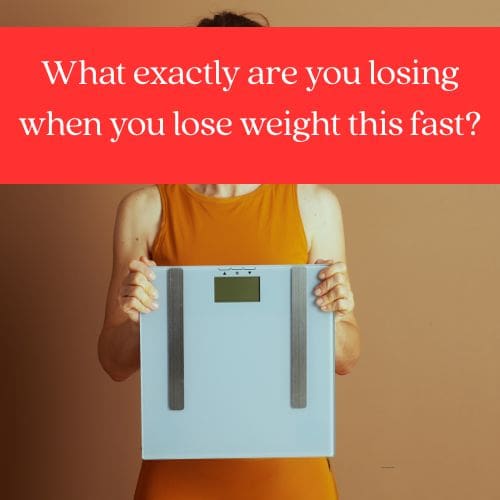
Because when the number on the scale drops, it’s not just fat leaving your body. For many, it’s muscle,  and that loss can silently change the way your body functions long after the injections stop.

The GLP-1 Revolution — and Its Missing Chapter

GLP-1 receptor agonists like semaglutide and tirzepatide were first designed to help people with type 2 diabetes regulate blood sugar.

Clinical trials soon revealed a surprising side effect: dramatic weight loss.

In the landmark STEP-1 trial (New England Journal of Medicine, 2021), participants lost an average of 14.9 percent of their body weight in 68 weeks.

But inside that success story is a quieter detail: in detailed DXA body-composition studies, about 25–30 percent of the weight lost was lean mass, with the remaining 70–75 percent from fat.

That means if you lose 22 pounds, roughly five to seven pounds of it may be lean tissue.

That shift has far-reaching consequences.

Why Muscle Is the Organ of Longevity

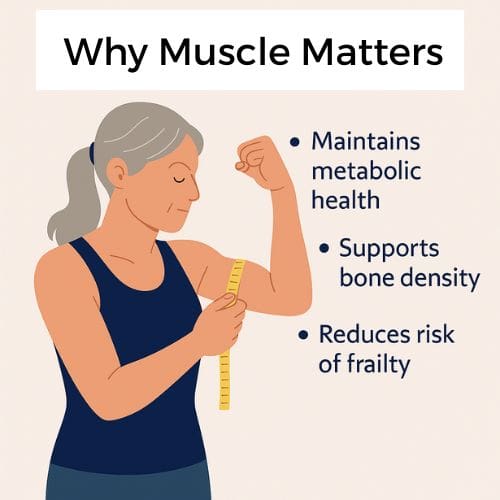
When most of us think “muscle,” we picture the gym. But muscle isn’t just about strength or tone, it’s an organ of metabolism.

At rest, each pound of muscle burns roughly six calories per day, while fat burns about two, a small difference per pound, but meaningful over time because muscle mass drives overall metabolic rate.

So when you lose muscle, your metabolism quietly slows, meaning your body now needs fewer calories just to maintain itself.

It’s like trading a roaring fire for a steady candle, still burning, but not radiating the same warmth or vitality.

For women in their 40s, 50s, and 60s, this matters more than ever.

Hormonal changes during perimenopause and menopause accelerate muscle loss and slow recovery. Add a medication that suppresses appetite,  and the risk compounds.

You burn fewer calories, your strength declines, and the moment you stop the medication or relax your routine, weight often returns, but this time, mostly as fat.
The Invisible Trade-Off

Imagine this:
You step on the scale and see you’re down 22 pounds.

You feel proud.

But under the surface, your body composition has shifted. Less muscle supporting your joints, fewer mitochondria generating energy, less strength to carry you into the next decade of your life.

That’s the piece missing from the national conversation.

Lean mass doesn’t just shape your body, it protects it. It stabilizes blood sugar, supports mood, preserves bone density, and keeps you mobile and independent as you age.

In fact, adults with higher muscle mass have significantly lower all-cause mortality, even when body weight is higher. Muscle isn’t vanity; it’s a biomarker of longevity.

So yes, GLP-1s can help you lose weight, but without protecting muscle, that “quick fix” can quietly erode the very foundation of your long-term wellness.

The Science of Strength as We Age

Starting in our 30s, we naturally lose 3–8 percent of muscle per decade.

After menopause, the decline accelerates, driven by lower estrogen, reduced growth hormone, and less physical activity.

When appetite drops or protein intake falls, that decline accelerates even more.

Muscle is also the body’s largest reservoir for glucose. When it shrinks, our ability to manage blood sugar worsens….ironically increasing the same metabolic stress GLP-1s were meant to help.

This is why so many patients report feeling “weaker,” “slower,” or “colder” after months on these medications. Their metabolism hasn’t just adapted, it’s down-regulated.

But here’s the good news: muscle is adaptive, too. With the right nutrition and movement, you can rebuild it , even after 60.

Beyond the Scale: Measuring What Really Matters

One of the biggest mistakes in medicine, and marketing is treating the scale as the ultimate scoreboard.

It’s not.

Your total weight says nothing about what’s actually changing inside your body.

Two people can both weigh 150 pounds: one with healthy muscle and low visceral fat, the other with little muscle and hidden inflammation. The number is identical; the health outcome is not.

That’s why, at Higher Health, we’ve invested in the InBody 380, a medical-grade body composition analyzer that measures muscle mass, fat distribution, hydration, and cellular vitality through a marker called phase angle.

DXA is the gold standard in research, but advanced analyzers like the InBody now make it possible to track muscle, fat, and hydration shifts accurately in everyday practice.

Because once you understand your data, how your body responds to nutrition, training, and recovery,  you can adjust early, before small imbalances turn into bigger problems.

And this isn’t just for patients on GLP-1s. It’s for anyone who wants to understand their body beyond weight, whether you’re lifting more, eating better, or managing stress differently.

How to Protect Your Muscle While Losing Weight

If you’re using a GLP-1 medication, or considering one, you can absolutely make it part of a healthy, sustainable plan. The key is preserving muscle while reducing fat.

Here’s how:

  1. Eat enough protein.
    Aim for 1.2–1.6 grams per kilogram of body weight per day
    That’s about 90–110 grams for many women. Divide it evenly across meals — your muscles can only use so much at once.
  2. Strength train regularly.
    Resistance training two to three times per week stimulates muscle growth even during calorie restriction.
    Pair this with walks or light cardio for metabolic flexibility.
  3. Prioritize recovery.
    Sleep is when growth hormone and muscle repair peak. Skimp on sleep, and you’ll lose more lean tissue.
  4. Monitor progress with more than a scale.
    A body-composition scan every three to six weeks keeps you honest about what you’re losing — and helps adjust your plan in real time.
  5. Stay nourished.
    Micronutrients like iron, B12, magnesium, and vitamin D support energy metabolism and muscle repair — especially crucial for women.

This isn’t about perfection. It’s about awareness and using every tool wisely.

Looking Ahead: From Quick Fix to Long-Term Vitality

Weight loss can be empowering. It can renew energy, confidence, and hope.
But the real goal isn’t just to weigh less, it’s to live more.

GLP-1s can be part of that journey. They can reset appetite, break patterns, and create momentum. Yet, if you focus only on the number on the scale, you miss the deeper transformation happening (or not happening) inside your body.

At Higher Health, we believe that data builds confidence. That’s why we now offer our patients complimentary body-composition tracking with the InBody 380 — especially those using GLP-1s.

You deserve to know not just how much weight you’re losing, but what kind — because real wellness isn’t measured in pounds, it’s measured in the vitality you feel every day.

Take the Next Step

At Higher Health, we believe informed care builds lasting results.

If you’re using a GLP-1 or exploring weight-loss options, book your complimentary consultation and see what your scale can’t show you, your muscle, fat, hydration, and overall vitality.

Protect your muscle. Support your metabolism.

And give your body the chance to truly thrive.

References

  1. Wilding J.P.H. et al. Once-Weekly Semaglutide in Adults with Overweight or Obesity. N Engl J Med. 2021;384:989–1002.
  2. Linge J. et al. Muscle Mass and GLP-1 Receptor Agonists. Circulation. 2024.
  3. Look M. et al. Body Composition Changes with Tirzepatide in SURMOUNT-1. Diabetes Obes Metab. 2025.
  4. Karakasis P. et al. Effect of GLP-1 Receptor Agonists and Co-agonists on Body Composition: Meta-analysis of 22 RCTs. Metabolism. 2024.
  5. Leidy H.J. et al. Protein and Weight Management. Am J Clin Nutr. 2015.

Why human care still outruns algorithms for better health outcomes

The Night‑Shift Doctor in Your Pocket

to show the 2 lives of a woman and ai

Last week Emma downloaded her latest blood‑work PDF and pasted the results into ChatGPT.

Within seconds the AI produced a five‑paragraph analysis: ferritin on the low side, vitamin D “sub‑optimal,” possible thyroid sluggishness.

Complete with supplement dosages and a sample meal plan.

Impressive, especially at 2 a.m., and Emma printed it out to discuss at her next visit with me.

ChatGPT had done a great job with the numbers she gave it.

Yet, it had no clue she’d run a half‑marathon in June, gone plant‑based in July, and rarely sleeps more than four hours.

Those missing details can flip lab values—and health outcomes—on their head.

If you’ve experimented with AI health tools, you’re not alone.

A July 2025 survey found more than 35% of Americans (sorry I could not find a recent Canadian report) now use AI to manage some part of their health, from symptom checks to meal planning.

Yet 93% say they trust doctors more when stakes are high—an idea worth discussing.

The numbers reveal a simple truth: we adore AI’s instant answers, yet we still lean on a human’s caring energy when our health really matters.

What AI (Honestly) Does Brilliantly

Let’s give credit where it’s due. Modern algorithms can:

Spot patterns humans miss. Machine‑learning models flag subtle relationships in thousands of biomarkers, shaving hours off manual review.

Explain complex terms in plain language. Ask “What does elevated ALT mean?” and an AI will translate hepatocellular enzymes into an 8th‑grade summary.

Work 24/7—no waiting room required. Whether you’re jet‑lagged in Tokyo or nursing a cough at 4 a.m., AI responds instantly.

Stay unbiased by lifestyle quirks. Algorithms don’t judge your weekend pizza or skipped gym session.

Many diagnostic labs we use already run proprietary AI to pre‑interpret panels; our own clinic reviews those algorithmic flags daily.

Used well, AI is like a high‑resolution microscope: it zooms in on details, fast.

But here’s where speed becomes a double-edged sword.

The Caring Gap: Data ≠ Whole Person

The same efficiency that makes AI brilliant also creates blind spots. Three that matter most:

Prompts shape answers. Most patients don’t know the right follow‑up questions. Should I adjust ranges if I run endurance races?

Could night‑shift cortisol spikes distort these numbers? When you’re uploading labs at midnight, uncertain and maybe a little scared, it’s hard to know what context matters most.

Omitting a single crucial fact can swing interpretation entirely.

Nuance lives in conversation. How you tell your story, the hesitation in your voice, the side note about caring for an elderly parent—all of this guides a practitioner toward the real driver of fatigue or inflammation.

The way you mention sleep issues differently when you’re worried versus frustrated gives us clues no text box can capture.

Empathy heals. A 2024 JAMA study on chronic‑pain patients showed that physician empathy outperformed several standard treatments in improving quality‑of‑life scores.

Earlier reviews link empathetic consults to better adherence and satisfaction across conditions.

No matter how many times ChatGPT says, “I’m here for you,” it doesn’t feel your relief—or your fear.

And those emotions—supported or ignored—directly influence immune response, hormone balance, and even gene expression.

Why Empathy Is Medicine

Dr Tara and AI

Think back to your last appointment with a provider who really saw you. (I hope you’re thinking about your last visit at Higher Health.)

Maybe they remembered your daughter’s name or noticed you winced when you sat down.

That 30‑second pause to ask, “Tell me more,” activates the vagus nerve, lowers heart rate, and shifts the body toward parasympathetic repair.

Researchers call the effect “therapeutic alliance.” In cancer care, strong alliances correlate with reduced anxiety and higher survival‑quality metrics.

In primary care, every one‑point rise on the Jefferson Empathy Scale predicts higher patient enablement—the confidence to act on advice.

Science keeps finding what humanity always knew: feeling cared for changes physiology.

Naturopathic Doctors: Tech‑Optimized Humans

At Higher Health we adore technology. We upload DUTCH hormone panels, bloodwork, and gut‑microbiome reads into AI dashboards daily.

They colour‑code anomalies, rank patterns, and generate draft treatment ideas. Then the real work begins.

We ask about your 3 p.m. energy crash, not just your fasting glucose.

We connect your ferritin dip to heavier periods that started after a new IUD.

We notice your voice tense when you mention workload, hinting at cortisol rhythm issues no algorithm flagged.

The result is a blended approach: the algorithm accelerates, the doctor individualizes, and you receive a plan that fits both your mitochondria and your Monday schedule.

Have you uploaded labs to an AI tool but still felt uncertain afterward? Do you find yourself Googling symptoms at midnight, getting more confused with each search?

These are signs you might be getting data without the dialogue that makes it meaningful.

When to Call in Human Backup

check list

AI is perfect for background reading or second opinions, but consider partnering with a naturopathic doctor when:

  • Symptoms conflict. Your joint pain doesn’t match textbook autoimmune patterns.

  • You’re drowning in info. One chatbot says adrenal fatigue, another screams iron overload.

  • You need behavior change. Knowing your HbA1c (or insulin)  is high isn’t the same as revamping dinner when your kids hate vegetables.

  • Stress or emotions are part of the puzzle. (Spoiler: they almost always are.)

An ND weaves labs, lifestyle, and emotion into a single narrative—your narrative—then coaches you through the messy middle where true change happens.

The Future Isn’t Human or Machine—It’s Synergy

Some visionaries dream of a caring robot with perfect bedside manner. Until Elon ships that model, we believe the sweet spot is AI‑augmented empathy: algorithms for pattern‑spotting, humans for meaning‑making.

Already, we use voice‑note apps to transcribe appointments so we can focus on eye contact while AI summarizes action steps.

Soon, ambient sensors may flag stress spikes in real time, prompting a practitioner check‑in. Technology will keep evolving; the need for compassion won’t budge.

A 2025 Annenberg survey shows nearly eight in ten adults go online first for health answers, yet two‑thirds still prefer a human to confirm next steps.

Even as comfort with AI climbs, Pew data remind us 60% of people feel uneasy if their provider relies on AI alone.

The message is clear: people want tech’s brains, but they refuse to lose its heart.

Ready for a Human‑Centered Review of Your Data?

After 14 years helping thousands of women feel their best, our naturopathic doctors would love to support you too.

Book a free, no‑pressure consult—bring your blood work or CGM readouts, and we’ll combine AI‑enhanced insights with genuine conversation to craft a plan that fits your biology and your life.

Click here to reserve your spot. We’ll handle the data—and the caring connection—that turns numbers into real‑world vitality.

Click here and Book Your Free Consultation

Closing Thought

AI has officially joined the health‑care team. It never gets tired, and it delivers biochemical pathways on demand.

But wellness isn’t just a chemistry equation—it’s a relationship.

When algorithms meet empathy, data become decisions, and decisions become healthier, happier humans.

So keep asking ChatGPT questions. Keep exploring wearable dashboards. 

Then, when you’re ready for the piece no code can provide, sit down with someone who looks you in the eye and says, “Tell me how you’re really doing.”

That’s where healing starts—and where AI happily hands over the stethoscope.

-Dr. Tara Campbell ND, July 30th 2025.


References:

“More than 1 in 3 Americans are using AI to manage their health, according to new survey,” New York Post, July 24 2025 — Talker Research data showing 35 % already use AI for health tasks and 93 % still trust doctors most. New York Post


Pew Research Center — “60 % of Americans Would Be Uncomfortable With Provider Relying on AI in Their Own Health Care,” Feb 22 2023 — national survey of 11,004 adults on AI reliance and comfort levels. Pew Research Center


Annenberg Public Policy Center — “Many in U.S. Consider AI‑Generated Health Information Useful and Reliable,” July 2025 — finds 79 % look online for symptom answers and gauges trust in AI content. Annenberg Public Policy Center


“Physician Empathy and Chronic Pain Outcomes,” JAMA Network Open, 2024 cohort study — shows empathic care outperforms several standard chronic‑pain treatments. JAMA Network


“The Association of Physician Empathy With Cancer Patient Outcomes: A Meta‑Analysis,” Psycho‑Oncology, 2023 — aggregates evidence linking higher physician empathy to improved cancer‑related outcomes. PubMed

Dr TAra holding a CGM

Why Your Body Insists on Storing Fat After 45—and How to Flip the Switch

Ever feel like you’re doing everything right—eating healthy meals, loading up on salads, smoothies, and greens—but somehow, you’re hungry again an hour later?

Maybe you’ve found yourself standing in front of the fridge, wondering why your willpower has seemingly vanished.

Trust me, it’s not your imagination, and it’s certainly not because your self-control decided to take a vacation.

The real culprit? Your blood sugar. Yes, that invisible yet incredibly powerful force quietly dictates your energy, mood, hunger, and even your waistline. Intrigued yet?

Here’s why that matters—and, surprisingly, why it’s actually good news.

The Hidden Roller Coaster Inside Your Body


Your body’s immediate response is to send out insulin, a hormone that helps manage blood sugar by moving glucose from your bloodstream into your cells, where it’s used for energy.

This system generally works well. But problems arise when the spikes happen too frequently or too intensely, especially as we age.

If you’re a woman approaching or experiencing menopause, hormonal changes can amplify these effects, making blood sugar control even trickier.

High blood sugar levels followed by swift insulin responses can send your blood sugar crashing back down.

And here’s the thing—these spikes and crashes are happening all day long.

Some you clearly notice through fatigue or mood swings, while others quietly disrupt your energy and metabolism without obvious signs.

For example, even seemingly minor spikes from snacks, beverages, or small bites throughout the day can add up, subtly draining your energy, affecting your concentration, and gradually slowing your metabolism.

Additionally, nighttime spikes (or dips) —which often go unnoticed—can disrupt sleep quality, making it harder to wake up refreshed.

These hidden disruptions accumulate, influencing your overall mood, cravings, and ability to maintain a healthy weight.

Stress is another often-overlooked contributor to blood sugar spikes. When you’re stressed, your body releases hormones like cortisol and adrenaline, which prompt your liver to release glucose into your bloodstream.

This process elevates your blood sugar, even without eating.

Frequent stress-induced spikes can lead to the same energy crashes and hunger cycles, compounding the challenges of maintaining steady blood sugar and a healthy weight.

Why These Blood Sugar Swings Lead to Weight Gain

Here’s where it gets even trickier: frequent, dramatic spikes in insulin signal your body to switch into “fat-storage mode.”

Basically, when there’s excess sugar in your blood, your body thinks it needs to save this surplus energy for later.

Unfortunately, that storage usually happens right around the areas you least want it—such as your belly, hips, and thighs.

Additionally, when insulin rapidly lowers your blood sugar too much, your brain senses an emergency. This sudden drop triggers intense hunger and cravings because your body thinks it urgently needs energy.

The result? You’re reaching for snacks again—typically something sugary or carb-rich—perpetuating the cycle of spikes and crashes.

It’s a cycle that can leave you feeling endlessly frustrated, battling cravings, and seeing little success on the scale.

If only there were a way to clearly see all these hidden spikes and understand exactly what was causing your cravings, fatigue, and weight struggles—and then easily fix it.

Good news—there is!

How a CGM Can Finally Solve the Mystery

cgm tracking

Imagine a scenario where you could pull out your phone and instantly understand why you felt fantastic and full of energy after one meal, yet starving and irritable after another. Imagine having a clear view of exactly how your favorite foods impact your blood sugar, your mood, and your energy levels in real time.

This isn’t science fiction—this is exactly what a Continuous Glucose Monitor (CGM) offers.

A CGM is a small, wearable device typically placed on your arm or abdomen that continuously tracks glucose levels in your blood.

Originally designed for people managing diabetes, CGMs are now increasingly popular among individuals focused on weight loss and overall health optimization.

Why a CGM Changes Everything

The beauty of a CGM is its personalized insight. Instead of relying on generic nutritional advice or diets that “work” for other people, you gain clarity based on your body’s real-time reactions.

Maybe you’ve always believed your morning oatmeal or granola was a healthy choice.

With a CGM, you might discover that this seemingly healthy breakfast actually causes significant blood sugar spikes and subsequent crashes, setting you up for hunger and cravings just hours later.

Conversely, perhaps eggs with avocado or Greek yogurt with berries keeps your blood sugar steady, providing consistent energy and satisfaction throughout the morning.

These insights aren’t general—they’re specific to your body, your metabolism, and your personal response to food.

Turning Real-Time Data Into Real Results

Once you see precisely how your body reacts to various foods, meals, and even activities (like exercise or stress), choosing the best options for sustained energy and steady blood sugar becomes intuitive.

No longer are you guessing or relying on willpower alone. You have clear, immediate feedback that allows you to confidently adjust your habits and diet.

Over time, this approach does more than just improve your daily comfort. By stabilizing your blood sugar, you reduce frequent insulin spikes, helping your body shift from storing fat to burning it.

You naturally reduce belly fat, experience fewer cravings, and enjoy steadier energy throughout the day.

Your First Steps With a CGM

If you’re intrigued but skeptical—perhaps after many past diet disappointments—here’s reassuring news: getting started with a CGM is incredibly simple and requires no advanced technical knowledge.

  1. Choose Your CGM: Several user-friendly options are available, including devices like the Freestyle Libre or Dexcom. Your doctor or health provider can help you pick the best option for your lifestyle.
  2. Apply and Monitor: These monitors are discreet, painless to apply, and can be worn comfortably for days or weeks. Data syncs directly to your smartphone, providing real-time graphs and trends.
  3. Understand Your Patterns: Within just a few days, you’ll notice clear patterns—foods that stabilize your energy versus those causing spikes and crashes.
  4. Make Informed Adjustments: Armed with your personal data, you’ll naturally shift your eating habits to choices that support steady blood sugar, fewer cravings, and ultimately, weight loss.

Ready to finally decode your body’s unique signals and transform your health?

That’s exactly why Dr. Tara created her exclusive guide to using a CGM for weight loss. Originally designed for her own patients, she’s now offering it completely free to anyone who wants clear, actionable insights.

Head to CGMguide.com right now, download your free guide, and discover just how simple, intuitive, and life-changing using a CGM can be.

No more confusion. No more endless dieting frustration. Just clear, personalized insights for lasting weight loss and vibrant health.

Naturopathic doctor consulting with patient at Higher Health Clinic in Toronto

Ready to Find Out if Using a CGM is Right for You?

If you’re curious about how using a CGM can work for you, book a free consultation today. 

We’ll talk about your health goals, answer your questions, and see if a CGM could support your wellness journey.

Click here and Book Your Free Consultation

You deserve to feel energized, clear, and strong.

References:

Insulin’s Role in Weight Gain
Stress-Induced Hyperglycemia: Consequences and Management
Deepanjali Vedantam 1,✉, Devyani S Poman 2, Lakshya Motwani 3, Nailah Asif 4, Apurva Patel 5, Krishna Kishore Anne 6

Use of Continuous Glucose Monitoring in Obesity Research: A Scoping Review
Elizabeth Hegedus 1, Sarah-Jeanne Salvy 2, Choo Phei Wee 3, Monica Naguib 4, Jennifer K Raymond 5, D Steven Fox 6, Alaina P Vidmar 7

Stress and Diabetes Mellitus: Pathogenetic Mechanisms and Clinical Outcome 
Special Collection: Karger e-Journal Backfile Collection 2023
Subject Area: Endocrinology , Women’s and Children’s Health
Diletta Maria Francesca Ingrosso; Marina Primavera; Sona Samvelyan; Veronica Maria Tagi; Francesco Chiarelli

Dr Tara getting a glutathione IV drip

The Truth About Glutathione IV Therapy

You’ve probably heard about glutathione IV therapy from celebrities or seen them trending on social media, but what’s all the hype really about? 

While glutathione has become famous for its skin-brightening properties, its benefits extend far beyond beauty alone.

In fact, glutathione is known to support overall wellness, offering potential improvements in energy levels, immune function, detoxification, and more.

Today, I’ll explain what glutathione is, explore the broad range of benefits it can offer for your health, and show you why it could be exactly what your body needs.

Glutathione IV Therapy
Glutathione IV Therapy image

What is Glutathione?

Glutathione is something your body naturally makes. It’s made up of three important building blocks called amino acids: cysteine, glycine, and glutamine.

Known as the body’s “master antioxidant,” glutathione helps detox your body, strengthens your immune system, repairs cells, and keeps you healthy.

The bad news is, stress, aging, toxins around us, poor nutrition, and illness can lower your glutathione levels.

Low glutathione can lead to feeling tired, getting sick more often, aging faster, and developing health problems.

Glutathione IV therapy quickly increases your levels by delivering it right into your blood, where it’s absorbed best.

This sets the stage for a wide range of benefits, many of which go far beyond what people expect.

Let’s explore some of the most exciting areas where glutathione IVs may offer support.

Exploring the Potential Benefits of Glutathione IV Therapy

Before we dive into the specifics, it’s important to understand that glutathione is more than just a trendy treatment.

It’s been studied for decades and used in functional and integrative medicine for a wide range of reasons.

Whether you’re dealing with low energy, brain fog, chronic stress, or simply trying to stay ahead of aging and inflammation, many people are surprised by how broad the potential support really is.

Let’s take a closer look at what glutathione IV therapy may help support:

1. Helps Your Body Detox

Glutathione helps your body get rid of harmful toxins, heavy metals, pollution, and waste products.

Studies show that glutathione turns these toxins into forms your body can easily remove, helping you feel better, especially if you’re often tired or exposed to toxins.

Before we dive deeper, consider this:

2. Supports Your Liver

That detox support extends to one of the hardest-working organs in your body…

Your liver cleans your body by removing toxins.

Glutathione plays an important role in keeping your liver healthy.

Research shows that glutathione can help your liver recover from damage caused by fatty liver disease or alcohol.

Glutathione IV treatments can quickly improve how your liver works and help protect it.

3. Can Help Support Your Immune System

And it’s not just about detox—your immune system relies on it too.

A strong immune system helps your body fight infections and stay healthy.

Glutathione protects your immune cells and helps them work better.

Studies show it makes your immune system stronger, helping you avoid getting sick, especially during flu season or if you tend to catch colds easily.

4. Helps With Aging and Repairs Cells

Want to stay sharp, vibrant, and age gracefully? This is where glutathione really shines.

Your body experiences damage over time from stress, toxins, and getting older.

Glutathione reduces this damage by fighting harmful substances called free radicals.

Research says higher glutathione levels can slow aging and keep your body healthy longer.

Regular glutathione treatments help keep your energy levels high and your mind sharp.

5. Helps With Energy

Low energy is one of the most common complaints we hear. Glutathione can make a big difference.

Many people feel tired as they get older.

Glutathione helps your cells produce energy. Research shows low glutathione makes you feel more tired and weak.

Getting glutathione IV therapy can quickly boost your energy and help you feel stronger and more alert.

6. Supports Brain Health

Mental clarity matters. Here’s how glutathione supports your brain.

Glutathione is important for keeping your brain healthy.

It fights inflammation and damage in your brain, which can lead to memory problems or diseases like Alzheimer’s.

Studies suggest higher glutathione levels help your brain stay healthy, keeping your memory and thinking clear.

7. Helps Fight Inflammation and Chronic Conditions

Long-term inflammation drains your body, glutathione offers a natural way to push back.

Inflammation can cause many health problems like arthritis, autoimmune diseases, and chronic fatigue.

Glutathione fights inflammation in your body.

Research shows it can reduce inflammation and improve symptoms of many long-term health conditions.

Recap: Why Glutathione IV Therapy Is Worth It

We’ve covered a lot, so let’s pull it all together.

Glutathione IV therapy isn’t just about skin brightening, it’s a full-body support system.

From detoxing and liver function to immunity, energy, and brain clarity, it helps you feel like the healthiest version of yourself.

Whether you’re run down, dealing with a chronic condition, or simply want to stay ahead of your health, glutathione can be a powerful tool in your wellness plan.

FAQs About Glutathione IV Therapy

We know this is a treatment people often have questions about.

So here are a few of the most common ones we hear in clinic:

Q: Is glutathione IV therapy safe?
A: Yes! It’s a naturally occurring antioxidant in your body, and when given under professional care, it’s very safe.
We tailor dosing based on your needs and health history.

Q: Who might not benefit from glutathione IV therapy?
A: While glutathione IV therapy is generally safe and beneficial for many people, it might not be suitable if you have certain medical conditions, allergies to specific ingredients, or if you’re pregnant or breastfeeding.
Always consult with a healthcare provider before starting any new treatment to ensure it aligns safely with your health status and medical history.

Q: How often should I get a glutathione IV Therapy drip?
A: It depends on your goals. For general wellness and detox, many people do it weekly or bi-weekly at first, then move to monthly maintenance.
Our team of naturopathic doctors will help you find what’s best.

Q: Will it really help with fatigue or brain fog?
A: Many of our clients notice more energy and clearer thinking, sometimes after just one treatment.
Results vary, but it’s one of the most common benefits we hear.

Q: Is this just for women?
A: Not at all. We see men and women of all ages benefit from glutathione.
It supports every cell in the body, no matter who you are.

Q: Can I combine it with other IV therapies?
A: Absolutely. Glutathione pairs well with Vitamin C, B12, magnesium, and many of our wellness or immune blends.
We’ll recommend what suits your goals best.

If you’re ready to move from feeling run-down to revitalized, you’re not alone, and you’re not stuck.

Naturopathic doctor consulting with patient at Higher Health Clinic in Toronto

Ready to Find Out if Glutathione IV Therapy is Right for You?

If you’re curious about how glutathione IVs can help you feel your best, book a free consultation today. 

We’ll talk about your health goals, answer your questions, and see if this treatment could support your wellness journey.

Click here and Book Your Free Consultation

You deserve to feel energized, clear, and strong.


Research:

A Review of Dietary (Phyto)Nutrients for Glutathione Support

  1. Minich, Benjamin I Brown

Glutathione and immune function

Wulf Dröge, R. Breitkreutz Published in Proceedings of the Nutrition… 1 November 2000 Medicine, Biology


Application of Glutathione as Anti-Oxidative and Anti-Aging Drugs

Takujiro Homma 1, Junichi Fujii

Glutathione supplementation suppresses muscle fatigue induced by prolonged exercise via improved aerobic metabolism

Wataru Aoi,Yumi Ogaya,Maki Takami,Toru Konishi,Yusuke Sauchi,Eun Young Park,Sayori Wada,Kenji Sato4 Division of Applied Biosciences, Graduate School of AgricultureKyoto UniversityKyotoJapan

Glutathione in Brain Disorders and Aging Y. Iskusnykh, A. A. Zakharova, D. Pathak

Published in Molecules 1 January 2022 Medicine, Biology

The Missing Link in Perimenopause Care: Nutrient Deficiencies and the Therapy No One’s Talking About

How an overlooked treatment is helping women feel clear, calm, and energized again

You eat well. You take your supplements. You try to get rest. So why do you still feel foggy, flat, and fatigued? Here’s something most doctors aren’t talking about—and it could change everything.

If you’re in your 40s or early 50s and wondering why your body suddenly feels unfamiliar—you’re not alone. Many women enter perimenopause expecting a few hot flashes and some changes to their cycle. But what they experience can be far more intense: brain fog, crashing energy, mood swings, poor sleep, low libido, and even frequent colds or infections.

You may be getting older—but these intense symptoms aren’t just ‘normal aging.’ They’re often signs your body needs more support.

Let’s look beneath the surface—because when you understand what’s really happening, you can get back to feeling like yourself again.

What’s Going on During Perimenopause?

Perimenopause is the natural transition where your hormone levels—especially estrogen and progesterone—start to shift. This phase can last anywhere from a few months to over a decade before you officially reach menopause (when periods stop completely).

But these hormones don’t just affect your cycle. They impact nearly every part of your body. That’s why the symptoms can feel so random and overwhelming:

  • Estrogen plays a major role in your mood by regulating serotonin, a key brain chemical that helps you feel emotionally balanced. It also supports short-term memory, keeps your skin elastic and hydrated, protects bone density, and helps regulate fat storage and metabolism. When estrogen drops, you may notice sudden mood changes, dry or thinning skin, unexplained weight gain, or a general feeling of being “off.”
  • Progesterone is your body’s natural calming hormone. It helps you relax, promotes better sleep, and has anti-anxiety effects. It also balances out estrogen, preventing it from becoming too dominant. Low progesterone can lead to irritability, restlessness, light or irregular sleep, and feeling wired but tired.

As these levels fluctuate, it can feel like your body is short-circuiting. You’re not imagining it.

The Hidden Nutrient Drain in Perimenopause

Here’s where things get interesting. Hormonal changes, stress, and poor sleep all drain your nutrient stores—right when your body needs them most. At the same time, your gut may not absorb nutrients as well as it used to.

And it’s not just the gut. Inflammation, chronic stress, and even certain medications can interfere with how your body uses the nutrients you do manage to get in. So even if you’re eating a healthy diet and taking supplements, you could still be operating on empty.

Many women come to us saying, “I’m doing all the right things, but I still feel off.” That’s often a sign that your body’s nutrient demands are higher than what you’re getting from food alone.

Some of the most common deficiencies we see in women going through perimenopause include:

  • Vitamin B12: fuels energy, focus, and nerve health

  • Magnesium: supports sleep, mood, and muscle relaxation

  • Iron: vital for energy, oxygen delivery, and mental sharpness *and also hair health.

  • Vitamin D: important for mood, immunity, cardiovascular and bone strength

  • Zinc: supports hormones, immunity, and skin repair

  • Vitamin C and antioxidants: reduce inflammation, enhance brain health, and help your skin glow  

These nutrients are not optional. They’re foundational.

Without them, your body is stuck in survival mode—fighting to keep up, rather than functioning optimally.

You’re not lazy. You’re not crazy. Your body is asking for help.

IV Therapy: A Faster Way to Replenish What Your Body’s Missing

If you’ve tried supplements but still feel drained, here’s why: pills and powders rely on your digestive system to break them down. And during perimenopause—when stress, inflammation, or low stomach acid are more common—that system may not be working at full power.

IV therapy takes a different route. It delivers high-quality nutrients directly into your bloodstream, completely bypassing the gut. That means your body can actually use what it’s given, right away.

It’s not just about faster absorption. It’s about giving your cells what they need to function, repair, and thrive—without making your body work harder to get there.

Many women say it feels like filling up a tank that’s been running on empty. You may notice:

  • More stable energy throughout the day

  • Less brain fog and better focus

  • Calmer moods and improved sleep

  • A sense that your body is finally catching up to where you want it to be

And it’s not just physical—there’s often a mental and emotional shift too. When your body starts to feel nourished and supported, it becomes easier to think clearly, make decisions, and show up as your best self.

IV therapy isn’t a trend. It’s a powerful tool that helps restore balance, especially during times of transition like perimenopause. When done safely and intentionally, it can help your body do what it’s already trying to do—just with better support.

Think of it as pressing pause on depletion, and pressing play on healing.

Benefits of IV Therapy During Perimenopause

Here are some of the most common ways women feel better after just a few sessions:

  1. Energy That Lasts
    B vitamins, magnesium, biotin, and amino acids help recharge your energy without the caffeine crash.

  2. Clearer Thinking
    Vitamin B12 and carnitine,NAC and glutathione, help lift brain fog so you can focus, think clearly, and feel sharper.

  3. Better Sleep, Less Anxiety
    Magnesium and calming amino acids like glycine help your nervous system settle so your body can truly rest.

  4. Hormone Harmony
    Zinc, vitamin C, and other nutrients help support the adrenals and thyroid—key players in hormone balance.

  5. Stronger Immunity
    Vitamin C, zinc, and glutathione reduce inflammation and help keep you well.

  6. Radiant Skin, Hair, and Nails
    Glutathione, biotin, and antioxidants support healthy aging from the inside out.

What to Expect at Your First Visit

We make the process easy and relaxing. You’ll meet with one of our Naturopathic Doctors to review your symptoms, health history, and goals. Then we create a personalized IV based on what your body actually needs.

The treatment takes 30 to 60 minutes. You can relax in a cozy lounge or private room while your body gets a deep infusion of nutrients. Some women feel better within hours. Others notice a shift after a few sessions. Everyone is different.

You Deserve to Feel Like You Again

If you’ve said, “I just don’t feel like myself anymore,” this is your sign to stop pushing through and start getting support.

IV therapy isn’t a magic cure, but it can be a powerful piece of your wellness plan. When your body gets the nutrients it’s been missing, everything works better—your mood, energy, sleep, and outlook.

You don’t have to guess what your body needs. Let’s figure it out together.

Book your free consultation today to learn if IV therapy is the support you’ve been missing.


Reference Links:

The Importance of Nutrition in Menopause and Perimenopause—A Review
Published Dec 21, 2023 · Aliz Erdélyi, Erzsébet Pálfi, L. Tűű

https://www.mdpi.com/2072-6643/16/1/27

Mediterranean diet, tobacco consumption and body composition during perimenopause. The FLAMENCO project.
Published Jul 1, 2020 · M. Flor-Alemany, N. Marín-Jiménez, T. Nestares, M. Borges-Cosic, Pilar Aranda, V. Aparicio

https://www.maturitas.org/article/S0378-5122(20)30232-2/abstract

Menopausal symptoms and nutritional status of perimenopausal women
Published Jun 11, 2013 · S. Goyal, U. Malagi, R. Naik, B. Kasturiba

Why Drinking Orange Juice Might Be the Worst Thing You Can Do When Sick

The other day, a client asked me a question that I hear all the time:

“Does drinking orange juice actually help when I’m sick?”

It’s such a common belief that orange juice is the ultimate cold remedy. 

I understand why people think that—it’s marketed as being ‘loaded’ with vitamin C, it’s comforting, and it’s practically a tradition to sip on when you’re under the weather. 

In fact, the Florida Department of Citrus (FDOC) alone spent approximately $14.7 million in the 2022–23 fiscal year promoting Florida orange juice. 

That’s a lot of money to keep OJ’s reputation alive!

But here’s the truth: while orange juice might seem like the perfect immune booster, it could actually be making things worse.

The Orange Juice Myth

It’s time to expose the biggest myth in the history of sniffles and sore throats…

The idea that drinking orange juice is the ultimate cure for the common cold.

I know…this is a shocker and I never like being the bearer of bad news, but your trusty glass of OJ isn’t the cold and flu fighting superhero it’s cracked up to be. 

In fact, it might just be the villain sabotaging your valiant attempts to kick that cold to the curb.

Why Orange Juice Falls Short

Here’s the bitter truth about this so-called “cold remedy”:

It’s not the immune booster you’ve been led to believe. In fact, what’s hiding in that seemingly innocent glass of orange juice might actually make your recovery harder.

Let’s break it down.

First of all, let’s talk about the sugar situation. An 8-ounce glass of OJ comes packed with a whopping 20-24 grams of the sweet stuff. 

That’s like consuming a massive dose of pure sugar when your body is already working overtime to fight off an infection.

Not exactly the immune system support you need right now.

And it doesn’t stop there. Most of the vitamin C in your average carton of OJ is eliminated during the pasteurization process, leaving you with far fewer benefits than you’d expect.

On top of that, orange juice is pretty acidic.

We’re talking a pH level between 2.8 and 4.0—highly acidic for an already raw and inflamed throat.

No wonder it feels worse instead of better after a sip!

But it’s not just your throat that suffers. 

The acidity in orange juice can also trigger acid reflux, irritate your stomach, and even increase mucus production—making congestion even harder to deal with.

Suddenly that “soothing” glass of orange juice doesn’t seem so comforting after all.

So what’s a desperate, sniffling, coughing human to do? Ditch the OJ and embrace REAL remedies that actually support your body’s germ-fighting efforts:

  • Hydrate like a boss with plain old water or herbal tea

  • Sip on soothing broth to replace those lost electrolytes

  • Cozy up with a steaming mug of green tea for an antioxidant infusion

  • Swirl some raw honey and lemon into warm water to tame that angry throat

But if you’re looking for an even more effective way to support your immune system and help speed up your recovery, consider this powerful option…

How an Immune Support IV Drip Can Be Your Best Friend When You’re Under the Weather

Here are 5 ways an IV drip can help your immune system when it’s working overtime:

  1. Hydration Made Easy
    Staying hydrated is key when you’re sick, but it’s not always easy to drink enough water when you’re feeling under the weather. An IV drip provides hydration directly to your cells, which can help your body stay balanced while it’s doing the hard work of healing. 
  2. Efficient Delivery of Vitamin C
    Direct-to-bloodstream vitamin C delivery at levels impossible to achieve through oral supplements. 

This means your body can absorb a much higher dose—far beyond what’s possible through food or supplements—without the risk of upsetting your stomach. 

This direct approach provides your immune system with the extra support it needs to tackle whatever’s bringing you down.

  1. A Blend of Immune-Supporting Nutrients
    Many IV formulas include zinc, magnesium, and other nutrients known to support immune health. Together, these nutrients can complement your body’s natural defenses. 
  2. Support for Faster Recovery
    While everyone’s recovery timeline is unique, IV therapy is designed to give your body additional resources that may help ease symptoms and get you back to feeling more like yourself. 
  3. Tailored to Your Needs
    Not all colds are the same, and neither are you. At Higher Health, the Immune Support IV drip is customized to include the nutrients your body may benefit from most, based on your unique needs.

When it comes to cold remedies, finding what truly supports your body can make all the difference.

The truth is, orange juice is nothing but a phony in the world of cold remedies. Don’t let this imposter sabotage your recovery with its acidity and sky-high sugar content.

Stick to the tried-and-true methods, and show that cold who’s boss!

Stay Immune Strong,

Dr Tara and the HH Team

P.S. Want to know what’s even better than using an IV to bounce back from a cold? Staying ahead of it in the first place. IV therapy is a powerful way to support your immune health so you can keep feeling your best—even during cold and flu season.

Don’t wait for sickness to slow you down.

Book your free consultation today to learn how IV therapy can work for you and help support your immune health!


Reference Links:

https://citrusindustry.net/2023/10/31/florida-department-of-citrus-budget-and-tax-rates-set

https://www.verywellfit.com/orange-juice-nutrition-facts-calories-and-health-benefits-4113143

Safety of High-Dose Vitamin C in Non-Intensive Care Hospitalized Patients with COVID-19: An Open-Label Clinical Study


The Hidden Struggles Women Face When Seeking Better Healthcare

Not too long ago, one of our clients found herself in a situation that might sound familiar. She’d been struggling for months with constant fatigue, mood swings, and just that deep-down feeling that something wasn’t right. Despite countless visits to the doctor and different medications, nothing seemed to help. She felt lost, frustrated, and desperate for a real solution.

Determined to get to the bottom of things, she decided to look beyond conventional medical care. That’s when she turned to naturopathic medicine for a more holistic approach.

After a thorough consultation with her ND, she finally felt hopeful again. For the first time in ages, she had a plan that tackled her health from all angles: hormone balance, vitamins and minerals, inflammation, and even blood sugar. It was a mix of nutrition, lifestyle changes, and natural therapies, all tailored just for her.

But then, something unexpected happened.

She shared the new plan with her MD, hoping they could work together on it. Instead, her doctor dismissed the whole idea, questioning the safety and effectiveness of naturopathic care. He insisted she stick strictly to the medications he prescribed (which weren’t really helping, in her opinion) and warned her about “unproven treatments.”

She walked out of that appointment feeling deflated, doubting her instincts, and torn between two types of care she thought could both help.

Unfortunately, this story isn’t unique. Many women face similar pushback when they try to combine conventional medical care with a more holistic approach. If you’ve encountered this, you’re not alone. So many others are just trying to make informed choices about their health and find care that actually looks at the whole picture.

So, how do we overcome these challenges and take control of our health? It starts with knowing the strategies that can make a real difference.

The Reality of Healthcare Today

It’s 2024, and you’d think by now that different types of healthcare—whether conventional or naturopathic—would work seamlessly together for the best results. But often, that’s just not the case. Even with more evidence supporting integrative healthcare, combining conventional medicine with complementary therapies can feel like an uphill battle.

In my experience, one of the biggest obstacles isn’t just knowing what to do, but navigating a system that doesn’t always make it easy. Ideally, you’d have an MD who fully supports a plan that covers every aspect of your well-being, but that’s not always how it works.

Many of our clients want to blend the best of both worlds—conventional and holistic medicine—but they’re met with resistance, uncertainty, or even outright dismissal. Let’s break down some of the common challenges women face and explore what you can do to navigate these obstacles and advocate for the care you deserve.

Common Challenges

  1. Lack of Integration
    There’s a real gap between conventional medicine and complementary therapies. Many healthcare providers hesitate to embrace a holistic approach, even though research is starting to back it up. This divide leaves you feeling like you have to “choose sides” instead of benefiting from a full-circle approach.
  2. Feeling Dismissed
    It’s your health, and you deserve to take an active role in it. When you’re informed and engaged, you often get better results. But some doctors might brush off your input, making it hard to truly partner in your care.
  3. Gender Bias
    Women’s health concerns, especially when it comes to hormones, are sometimes minimized. How many times have you heard, “It’s just part of getting older” or “We don’t need to test your hormones; we know they’re low”? It’s frustrating and can feel like an uphill battle to get the support you need.
  4. Healthcare Constraints
    Many MDs, especially those under OHIP, face strict limitations. They may not have the time or resources to dive deep into holistic care, but that shouldn’t stop them from supporting you in seeking more comprehensive health solutions.
  5. Shortage of Family Doctors
    In Ontario, finding a new family doctor isn’t exactly easy. If you’re unhappy with your care, switching doctors can feel almost impossible. It’s no wonder so many women feel stuck, even when their needs aren’t being met.

Strategies for Navigating Your Healthcare Journey

Now, let’s focus on what you can do to take charge of your health. Here are some tips to help you navigate the healthcare system more effectively and advocate for the care you deserve:

  1. Come Prepared
    Before your appointments, jot down your symptoms, concerns, and questions. Be specific about how your health is impacting your daily life. Instead of saying, “I’m tired,” try, “I’m experiencing fatigue that makes it hard to get through my workday.” The more detailed you are, the harder it is for your concerns to be brushed off.
  2. Bring a Buddy
    Having a trusted friend or family member at your appointment can be a game-changer. They can help take notes, ask questions, and make sure your concerns are heard. When you’re focused on the discussion, it’s easy to overlook important details, so having an extra set of ears can make a big difference.
  3. Speak Up
    If something doesn’t add up, or you’re not comfortable with a diagnosis, say so. Asking for more information not only empowers you but also shows your healthcare provider that you’re actively involved in your care. Remember, there are no silly questions when it comes to your health.
  4. Explore Your Options
    If your primary care provider isn’t addressing your concerns, don’t hesitate to seek other perspectives. Ask for referrals to specialists, and if needed, get a second opinion. It’s perfectly okay to explore multiple options to ensure you’re getting the most well-rounded care possible. The right provider will respect your need for comprehensive answers and support.
  5. Keep a Health Journal
    Documenting your symptoms, treatments, and interactions with healthcare providers can be a game-changer. Always ask for copies of your bloodwork and keep a record of your progress. Your health journal can be a valuable resource when talking to different doctors.
  6. Talk About Your Integrated Approach
    When discussing complementary therapies with your MD, frame it as an addition, not a replacement, for conventional care. Emphasize that you’re committed to a comprehensive strategy to achieve the best results. This can open the door for more collaborative discussions.
  7. Build a Support Network
    Connect with other women who are navigating similar healthcare challenges. Whether it’s through online forums, support groups, or friends, sharing experiences and resources can help you feel less isolated. You might even learn new strategies for advocating for your health and finding the right care.
  8. Know Your Rights
    Familiarize yourself with the Ontario Patients’ Bill of Rights. Knowing what you’re entitled to can boost your confidence when advocating for yourself.

The Power of Self-Advocacy

In a perfect world, all healthcare providers would work together seamlessly to give you the best care possible. But until that day comes, it’s up to you to take charge of your health. Self-advocacy doesn’t mean being confrontational; it’s about being informed, prepared, and proactive in making decisions about your well-being.

You know your body better than anyone else. While doctors bring their expertise, your experiences are just as crucial. Don’t hesitate to speak up, ask questions, and pursue the care you need. Every time you stand up for your health, you’re not just making a change for yourself—you’re setting an example for others. You’re showing that every woman deserves a healthcare journey that truly listens and respects her needs.

Moving Forward

Navigating the healthcare system can be frustrating, but remember: change takes time. Every informed, engaged patient helps push toward a more integrated, patient-centered model of care.

If you’re facing challenges in your healthcare journey, know that you’re not alone. By staying informed, being prepared, and advocating for yourself, you take an active role in shaping your health experience. Your well-being is your most valuable asset, and taking control of your healthcare journey is the best investment you can make in yourself—and in the future of healthcare.

Remember, the goal isn’t to replace conventional medicine but to complement it with approaches that address lifestyle factors and support your overall health.

We’re here to walk this path with you, offering guidance, support, and care that sees you as the whole person you are. Never hesitate to reach out—your health journey deserves nothing less than our full support.

Teachers, Parents, and Students: The One Fall Health Hack You Need to Know About

The back-to-school season is upon us. Whether you’re a parent juggling a hectic family schedule, a student getting back into study mode, or someone trying to adjust to the seasonal change, fall can be one of the busiest times of the year. Unfortunately, it can also be a time when our energy tanks run low and our immune systems get tested.

With the demands of new routines, shorter days, and cooler weather, it’s no surprise that we often feel rundown during this time. And let’s not forget how the season tends to bring along its companions: colds and flu. But there’s a way to combat the fatigue and stay ahead of seasonal illnesses—and that’s where IV therapy for immune health comes in.

IV therapy is a fast, effective way to bolster your immune system, increase your energy, and keep you feeling your best as you head into the fall season.

In this article, we’ll explore how IV therapy works, why it’s perfect for fall, and how it can be your secret side kick during this busy back-to-school season.

Why Fall Can Be Tough on Your Health

As much as we love the changing leaves and the crisp autumn air, fall can be hard on the body. Here’s why:

1. Seasonal Changes

As we transition from the warmth of summer to the chill of fall, our bodies go through adjustments. The shorter days mean less sunlight, which can lead to lower vitamin D levels, affecting your mood and immune resilience. On top of that, the temperature drop can make it easier to catch seasonal colds.

2. Increased Exposure to Germs

The start of the school year also means that kids are back in classrooms, adults are back in offices, and people are spending more time indoors. This environment becomes a breeding ground for germs and viruses. Whether you’re a student, teacher, or parent, you’re likely to be exposed to more bugs than usual, which can lead to getting sick more often.

3. Stress and Fatigue

Fall isn’t just about pumpkin spice lattes and cozy sweaters—it’s also a time when stress tends to ramp up. Parents are adjusting to their kids’ new schedules, students are navigating coursework, and many people feel the pressure of balancing their work, family, and personal lives. Stress weakens the immune system, making you more susceptible to illness.

4. Nutritional Deficits

In the fall, we often start to crave comfort foods that aren’t always the healthiest. While pumpkin pies and warm casseroles are delicious, they may not provide the nutrients your body needs to stay strong and healthy. This can leave you vulnerable to fatigue and illness.

What is IV Therapy and How It Works

If you’ve never tried IV therapy, you might be wondering what all the buzz is about. IV therapy is a treatment where vitamins, minerals, antioxidants, amino acids and fluids are delivered directly into your bloodstream through an intravenous (IV) drip. Unlike taking vitamins orally, which must pass through your digestive system, IV therapy allows for 100% absorption of these essential nutrients direct into your bloodstream, avoiding digestive limitations. That means your body can quickly and effectively receive a much higher dose of key cellular nutrients to benefit your health.

Each IV therapy session can be customized based on your individual needs. For instance, during the fall, you might want a drip that focuses on immunity-boosting vitamins like vitamin C, zinc, NAC and glutathione. Or, if you’re feeling extra tired, you might opt for one that includes increased B vitamins and magnesium for a natural energy boost. Amino acids (the building blocks of protein) are an integral part of our immune function as well. 

The Key Benefits of IV Therapy for Immune Health In the Fall

So, why is IV therapy particularly useful during the fall back-to-school season? Let’s break it down:

1. Immune System Support

Fall is prime cold and flu season, and this year is no exception. Whether you’re a teacher surrounded by dozens of kids all day or a parent trying to stay healthy while managing a busy household, IV therapy can give your immune system the boost it needs.

Key nutrients like vitamin C, zinc, NAC and glutathione are known for their immune-boosting properties. These vitamins work together to strengthen your body’s defenses and can help you fight off those seasonal colds before they even take hold.

For example, vitamin C is a powerful antioxidant that helps to support your immune cells, while zinc plays a critical role in helping your body fight infections.  Both NAC and glutathione work to quench free radicals, reduce oxidative stress, and regulate inflammation, creating a more balanced and robust immune response.

Getting these nutrients directly into your bloodstream means they can go to work right away, which is exactly what your immune system needs during this time of year.

2. Increased Energy and Stress Management

If you’re feeling drained and tired after long school drop-offs, endless meetings, or studying late into the night, you’re not alone. The back-to-school season is demanding, and many people feel their energy levels plummet during this time.

Fortunately, IV therapy can help. A B-vitamin complex is one of the key ingredients in many IV drips that help support energy production. B vitamins play a crucial role in converting the food you eat into energy, and they’re also known for reducing stress and improving mood. Magnesium, another popular IV ingredient, helps calm the nervous system and reduces feelings of anxiety and overwhelm.

Imagine being able to power through your day with sustained energy—without reaching for another cup of coffee. That’s what IV therapy can do for you!

3. Hydration

As the weather cools down, it’s easy to forget to drink enough water. We tend to feel less thirsty, and before we know it, we’re dehydrated. Dehydration can cause fatigue, headaches, and even impact your immune system.

IV therapy offers a fast way to rehydrate your body, especially if you’re someone who struggles to drink enough water throughout the day. The fluids delivered through IV therapy can help restore your hydration levels, leaving you feeling refreshed and revitalized. Plus, proper hydration is essential for helping your body fight off infections, recover from illnesses, and maintain overall health.

Who Should Consider IV Therapy for Immune Health in the Fall?

IV therapy isn’t just for people who are already feeling sick or tired—it’s also a great preventative measure for anyone who wants to stay healthy during the fall. Here are some people who can benefit from IV therapy:

1. Parents

Let’s face it, parents are superheroes—but even superheroes need to recharge. Between managing school schedules, attending parent-teacher meetings, and juggling work, it’s easy to feel worn out. IV therapy can help parents stay healthy, energized, and ready to tackle the demands of family life during the busy fall season.

2. Students

Whether you’re in high school or college, the start of the school year can be overwhelming. Long hours of studying, late-night assignments, and extracurricular activities can leave you feeling drained. IV therapy can help boost your energy, improve focus, and keep your immune system strong so you can stay on top of your schoolwork.

3. Teachers

Teachers are exposed to a classroom full of students, each bringing their own set of germs to the table. IV therapy can help teachers strengthen their immune systems and keep their energy levels up, allowing them to stay healthy and avoid burnout during the school year.

4. Anyone Prone to Fall Illness

If you’re someone who seems to catch every cold that goes around, IV therapy can be a great way to strengthen your immune system and help you stay healthy throughout the fall season.

What to Expect from an IV Therapy Immune Health Session

If you’re new to IV therapy, you might be wondering what the experience is like. The good news is, it’s quick, easy, and completely safe when administered by trained professionals.

During an IV therapy session, you’ll relax in a comfortable chair while a professional sets up your IV drip. The treatment usually takes about 30 to 60 minutes, depending on the specific cocktail of nutrients you’re receiving. You can use this time to catch up on emails, read a book, or just relax. Many people report feeling more energized and refreshed immediately after their session.

It’s also important to note that IV therapy is highly customizable. At Higher Health, for example, our practitioners will work with you to create a drip that meets your unique health needs—whether you’re looking to boost your immunity, increase your energy, or simply feel your best during the fall.

How IV Therapy for Immune Health Complements Other Healthy Fall Habits

IV therapy works even better when combined with other healthy habits. Here are a few ways to make the most of your treatment this fall:

1. Healthy Eating

While IV therapy provides an immediate boost, it’s important to maintain a nutrient-rich diet. Try incorporating seasonal fruits and vegetables like pumpkins, squash, and leafy greens into your meals to nourish your body from the inside out.

2. Exercise and Movement

Staying active is crucial during the fall, especially as the weather cools down. IV therapy can aid in recovery after workouts, helping reduce soreness and promoting faster healing so you can keep moving without fatigue.

3. Prioritize Sleep

A good night’s sleep is one of the most powerful ways to keep your immune system strong. The nutrients in IV therapy can also help improve sleep quality, especially if you’re feeling stressed or run down.

Final Thoughts

As we head into the busy back-to-school season, it’s essential to prioritize your health and well-being. IV therapy offers a quick, effective way to boost your immune system, increase your energy, and stay hydrated—so you can stay ahead of seasonal illnesses and feel your best.

But you might be wondering: “Is IV therapy right for my specific needs this fall?”

The best way to find out is to book a free IV consultation with our certified naturopathic doctors at Higher Health. During this no-obligation consult, we’ll discuss your unique health goals, assess your current wellness status, and recommend a personalized IV therapy plan to help you thrive this season.

Whether you’re a parent looking to stay energized for your family, a student aiming to stay focused in class, a teacher needing an immunity boost in the classroom, or just someone looking to optimize your health this fall, we’re here to help.

Don’t wait until you’re feeling run down or fighting off a cold to take action. Proactive wellness is the key to a healthy, vibrant fall—and it starts with understanding how IV therapy can work for you.

Click here an Book your free IV consultation today and take the first step towards conquering the back-to-school season with optimal health and energy. Your body will thank you!”

References:

  • Vitamin Therapy for Critical Illness: A study published in Intensive Care Medicine highlights the crucial role of vitamins like C and B-complex in boosting immune function, especially in individuals under stress or illness. The research suggests that vitamin C and thiamine (B1) supplementation can reduce oxidative stress and enhance recovery, showing promise in treating conditions involving high immune demand​(


  • High-Dose Intravenous Vitamin C in Cancer Patients: This study highlights the immune-boosting potential of high-dose vitamin C, which can also be applied to general immune support. It demonstrates that vitamin C can reduce oxidative stress and inflammation, two factors critical in maintaining a strong immune response during seasonal changes​(


  • Vitamin Therapy in Critically Ill Patients: This research focuses on the use of vitamins such as vitamin C and B-complex in severely ill patients, showing their importance in energy production and immune support. It confirms the role of these vitamins in improving health outcomes, particularly in stressful or high-demand situations​(


  • Combining Glutathione and Vitamin C: This study examines the synergistic effect of glutathione and vitamin C, both of which are often used in IV therapy for immune support. The research shows how these antioxidants work together to reduce oxidative stress and support immune function​(

Stuck on a Weight Loss Plateau? Your Blood Sugar Might Be to Blame

How Balancing Your Blood Sugar Could Be The Missing Link

If you’re reading this, I bet you know a thing or two about the weight loss roller coaster.

You’ve been making all the right moves – filling your plate with nourishing foods, making time for exercise, and doing your best to manage stress. But despite your dedication, those stubborn pounds just won’t seem to budge.If this sounds all too familiar, I want you to know that you’re not alone. And more importantly, it’s not your fault.

You see, there’s a hidden factor that could be sabotaging your weight loss efforts, no matter how many calories you cut or miles you run. 

And that factor is…drumroll please…your blood sugar and insulin sensitivity.

Now, before your eyes glaze over at the mention of something so scientific, hear me out. 

Because understanding how your blood sugar and insulin work could be the key to finally achieving the healthy, vibrant body you deserve.

The Blood Sugar Balancing Act

Your blood sugar, or glucose, is basically the fuel your body runs on. When you eat, your body breaks down carbohydrates into glucose, which then enters your bloodstream to be shuttled off to your cells for energy. But here’s the kicker – for that glucose to actually get into your cells, it needs a little help from a hormone called insulin.

Insulin is like the key that unlocks your cells, allowing glucose to enter.

Your body needs to produce just the right amount of insulin to keep your blood sugar levels stable. Not too high, not too low, but juuuust right.

But what happens when that balance is thrown off?

The Blood Sugar Roller Coaster

Imagine you start your day with a sugary pastry and a vanilla latte. That sugar rush hits your bloodstream fast, causing a rapid spike in glucose.  Your body scrambles to produce enough insulin to clear out the excess sugar, eventually leading to a blood sugar crash that leaves you tired, cranky, and craving more sweets.

Over time, if your diet is consistently high in refined carbs and sugar, your body has to pump out more and more insulin to keep up. Eventually, your cells start to become resistant to insulin’s effects – they stop responding to that key, leaving glucose stranded in your bloodstream.

This is known as insulin resistance, and it’s a precursor to type 2 diabetes. It’s also a major player in weight gain, inflammation, and the inability to lose weight.You see, when your glucose is insulin resistant, glucose can’t get in to be burned for energy.

Instead, it stays in the bloodstream causing oxidative damage and inflammation, and also gets stored as fat, particularly around your waistline. 

Even worse, high insulin levels actively block your body’s ability to burn fat for fuel.

It’s like your fat cells are locked in a vault, and insulin resistance has changed the passcode.

The Hunger Hormones Gone Haywire

But the blood sugar roller coaster doesn’t just stop at weight gain – it also messes with your hunger hormones. When your blood sugar is on a constant up-and-down loop, it can disrupt the delicate balance of ghrelin (the “hunger hormone”) and leptin (the “satiety hormone”). 

This can lead to increased appetite, cravings, and a tendency to overeat, even when you’re not physically hungry.

It’s a vicious cycle – the more your blood sugar spikes, the more you crave sugary, high-carb foods, which just perpetuates the cycle of insulin resistance and weight gain.

Breaking The Cycle

But don’t despair – the cycle can be broken. And it starts with getting your blood sugar under control.

By focusing on whole, unprocessed foods that are rich in fiber, protein, and healthy fats, you can slow down the absorption of glucose into your bloodstream, preventing those sharp spikes and crashes.

  • Think leafy greens, colourful veggies, lean meats, fish, nuts, and seeds – the kinds of foods that nourish your body without sending your blood sugar on a wild ride.
  • It’s also important to pay attention to your portions, even of healthy foods. Overdoing it on the “good stuff” can still contribute to weight gain if you’re consuming more calories than your body needs.
  • Movement is another key piece of the blood sugar balancing puzzle. Exercise helps improve your body’s sensitivity to insulin, allowing glucose to enter your cells more easily. 
  • Plus, regular physical activity is a great stress-buster, which is important because chronic stress (and high cortisol) can also contribute to insulin resistance.

Speaking of stress, finding ways to manage it is crucial for blood sugar control and weight loss. Whether it’s through meditation, deep breathing, yoga, or just carving out time for self-care, reducing stress helps lower cortisol levels, which in turn supports healthy glucose regulation.

And let’s not forget about sleep – getting enough quality shut-eye is essential for keeping your hunger hormones in check and your insulin sensitivity on point.  Aim for 7-9 hours per night, and create a relaxing bedtime routine to help you wind down.

The Supplement Support Squad

While diet and lifestyle changes should always be the foundation of healthy blood sugar balance, certain supplements can lend a helping hand. Here are a few to consider:

  • Berberine: An herbal extract that’s been shown to be as effective as some diabetes drugs at lowering blood sugar – without the side effects.
  • Inositol: This B-vitamin-like nutrient supports healthy insulin function and glucose metabolism, particularly in women with PCOS. It may also help reduce stress-related cravings and emotional eating.
  • Magnesium: The ultimate glucose-regulating mineral that also supports healthy insulin function.

Of course, always talk to your health care provider before starting any new supplement, especially if you have pre-existing health conditions or take medications.

Your Blood Sugar Blueprint

So there you have it – your blueprint for blood sugar balance and sustainable weight loss. By focusing on nourishing foods, regular movement, stress management, quality sleep, and targeted supplements, you can break free from the blood sugar roller coaster and finally unlock those stubborn pounds.

It’s not about perfection, but progress. Small, consistent changes over time add up to big results.

And remember – you’re not in this alone. Lean on your support system, whether that’s friends, family, or a trusted healthcare practitioner.

You’ve got this! By taking control of your blood sugar, you’re not just paving the way for weight loss success – you’re setting yourself up for lifelong health and vitality.

So cheers to balanced blood sugar, a healthy body, and a life full of energy, joy, and endless possibility.

Here’s What To Do Next

How about we hop on a call together and simply explore how your glucose levels could be affecting your ability to lose weight – no sensational claims, no lofty promises.

I’ll share my experience on the hormonal and metabolic factors at play, and you come with an open mind and willingness to approach weight loss from a whole new angle. No agendas. No expectations.

If the information resonates and you’re excited to take action, amazing! 

We can discuss your best next steps. If not, no worries at all. You’ll still walk away with valuable insights about your unique body and what it needs to thrive.

And you can decide where we go from there – whether that’s working together to balance your glucose levels and release stubborn pounds, or simply incorporating a few new insights into your routines.

You’re not locked into anything by booking a call. It’s just an open invitation to explore a whole new approach to weight loss, with a knowledgeable guide by your side.

So go ahead and reserve your complimentary call now using the link below. Worst case, you’ll gain a fascinating new perspective on how your body works. 

Best case, it’s the turning point that finally unlocks the door to the vibrant health and radiant confidence you deserve.

Click here and BOOK YOUR FREE DISCOVERY CALL

No matter where you are in your health journey, know that you’re not alone. We’re here to guide, support and empower you every step of the way.

So let’s keep the conversation going. Book your free discovery call today 

The best is yet to come,

Dr. Tara Campbell, ND

 P.S. Have a friend or family member who could benefit from this information? Share this article with them today – it could be the catalyst that changes their health trajectory for good.


References:

  • Impact of Dietary Carbohydrates on Glucose and Insulin Levels in Human Health
    • This study explores the effects of different types of dietary carbohydrates on blood glucose and insulin levels, highlighting the implications for metabolic health and the development of insulin resistance.
    • Link: https://www.ncbi.nlm.nih.gov/pmc/articles/PMC8500369/
  • The Role of Glycemic Control in Cardiovascular Outcomes
  • Insulin Resistance and Its Impact on Glucose Metabolism
  • Glucose Variability and the Risk of Diabetes Complications
  • The Effect of High Glucose Levels on Inflammatory Markers
  • Exercise and Its Role in Blood Glucose Regulation
    • This study reviews the role of physical activity in regulating blood glucose levels and improving insulin sensitivity, providing insights into how exercise can prevent and manage diabetes.
    • Link: https://www.ncbi.nlm.nih.gov/books/NBK549946/

Glucose: How This ‘Essential’ Sugar Could Be Sabotaging Your Health

Glucose. It’s the very fuel that keeps you alive, but it might also be the sneaky saboteur slowly undermining your health, your waistline and even your mental well-being.

This simple sugar is anything but simple when it comes to how it impacts your body. Get it right, and you’re on the path to lifelong vitality. Get it wrong…and you might just be on the fast track to chronic disease.

But here’s the good news – by the end of this article, you’ll be armed with the knowledge and tools to tame glucose and make it work for you, not against you. So buckle up – we’re about to take a wild ride through the highs and lows of this sweet and sour molecule.

First Stop: Glucose 101

Before we dive into the nitty gritty of glucose’s impact, let’s start with the basics. Glucose is the energy currency of your body. It’s what your cells use to do…well, pretty much everything.

Think of it like this – if your body is a bustling city, glucose is the electricity that keeps the lights on and the trains running on time. It’s kind of a big deal.

You get glucose primarily by breaking down the carbohydrates you eat – whether that’s the complex carbs in vegetables, fruits and whole grains, or the simple sugars in fruits, but also that donut (more on how those different carbs affect you later!)

Once it’s flowing through your bloodstream, glucose faces two fates – it’s either used immediately for energy or gets stored away for later in the form of glycogen (in your muscles and liver) or, if those are full, as body fat.

But glucose can’t do its job alone. It relies on a trusty sidekick: insulin.

Insulin is the hormone that acts as the “key” to let glucose into your cells. When you eat carbs, your pancreas releases insulin to help shuttle that glucose out of your bloodstream and into your cells where it can be used for energy.

It’s a beautiful partnership…until things start to go wrong.

Running The Numbers: The Ideal Glucose Range

So how much glucose should be circulating in your blood? Well, like Goldilocks, your body likes it just right. Not too high, not too low.

For most healthy adults, that “sweet spot” of glucose is between 4.0-5.4 mmol/L when fasting and less than 7.0 nmol/L  two hours after eating. But for optimal health and fat-burning.

For insulin, the key to getting the glucose into your cells for energy and metabolism, the reference range is 20-180, with the sweet spot being closest to 20. 

Another key aspect is cortisol mimicking glucose.  High cortisol through stress, can affect our insulin firing, which slows the whole process down further… or creates a bit of a metabolic mess. 

The problem is, the modern Western diet and lifestyle has most folks riding the glucose – insulin rollercoaster all day long – spiking and crashing and never quite settling into that ideal zone.

And over time, those spikes and crashes take their toll in a major way. That’s where the real trouble begins.

The Bitter Effects of Imbalanced Blood Sugar

When your blood glucose is chronically elevated, it can wreak havoc on your health from head to toe. We’re talking:

  • Increased inflammation, the smoking gun behind most chronic diseases
  • Fat storage and weight gain, especially around the middle
  • Glycation (glucose sticking to and damaging proteins), which speeds aging
  • Vascular damage that harms the heart, eyes, nerves and kidneys
  • Insulin resistance, the hallmark of metabolic syndrome, progressive inflammation and type 2 diabetes

Ah, insulin resistance. This is where the insulin-glucose partnership starts to break down.

If your glucose levels are consistently high (thanks to a high-carb diet, lack of exercise, chronic stress, etc.), your cells can start to become “numb” to insulin’s signal. They basically start to tune out its knocking, leaving glucose stranded in your blood.

It’s like your cells are putting up a “no vacancy” sign to glucose, even though insulin keeps trying to usher it inside.

And that’s just the tip of the iceberg. Imbalanced blood sugar has also been linked to cancer, Alzheimer’s, fatty liver and more. 

But high glucose isn’t the only villain in this story…

The Dangers of The Crash

Just as your body doesn’t like glucose to be too high, it also suffers when levels get too low. We’re talking light-headedness, irritability, mental fog, fatigue – all telltale signs that your brain and body are desperate for a hit of sugar.

Over time, bouts of low blood sugar can lead to adrenal fatigue, mood disorders and intense carb cravings that can undo even the best of diet intentions.

So if high glucose is bad and low glucose is bad, what the heck are you supposed to do?

Charting a Course to Glucose Mastery

The key to lifelong glucose control – and in turn, optimal health – comes down to what I call the 5 P’s:

  • Protein & Healthy Fats – Prioritize these blood sugar-stabilizing nutrients.
  • Pile on the Fiber – The secret weapon for slowing glucose absorption.
  • Probiotics – Support a healthy gut for better glucose regulation.
  • Pump Up Muscle – Building muscle boosts glucose uptake and insulin sensitivity.
  • Prioritize Sleep & Stress Response – Optimize sleep and manage stress for glucose control.

These strategies not only help keep glucose in check, but they also improve your cells’ sensitivity to insulin. It’s a one-two-five punch for optimal metabolic health.

But even with these powerful habits, sometimes you need a little extra support. That’s where targeted supplements can make a big difference…

The Glucose-Balancing Nutrient All-Stars

While smart diet & lifestyle choices should always be your foundation, a few key supps can help take your glucose control to the next level:

Berberine – This herbal extract is as effective as Metformin, the leading glucose drug – without the side effects.

Inositol: This B-vitamin-like nutrient supports healthy insulin function and glucose metabolism, particularly in women with PCOS. It may also help reduce stress-related cravings and emotional eating.

Cinnamon – Not just tasty, this spice also boosts insulin sensitivity and reduces fasting glucose.

Alpha Lipoic Acid – A powerful antioxidant that improves insulin sensitivity and slows glycation.

Magnesium – The ultimate glucose-regulating mineral. Preferably in the glycinate or malate form.

Of course, always check with your health care provider before starting any new supplement regimen, especially if you have medical conditions or take medications.

Which leads us into….

The Medication Question

Now, while optimizing nutrition, exercise, sleep and stress is the first line of defense for balancing blood sugar, there may be times when medication becomes necessary.

This is particularly true if you’ve been diagnosed with pre-diabetes, type 2 diabetes or have a strong family history of these conditions.

In these cases, your doctor may prescribe glucose-lowering drugs like Metformin or insulin to help keep your numbers in a healthy range.

If you do require medication, remember that it’s not a failure on your part. It’s simply another tool in your glucose-balancing toolbox. And when combined with all the diet and lifestyle strategies we’ve covered, it can be incredibly effective in optimizing your health.

The key is to work closely with your healthcare team to find the ideal medication regimen for you while still prioritizing those foundational healthy habits.

With this integrative approach, you’ll be well on your way to lifelong glucose control and vibrant health.

The Journey Continues…

We’ve reached the end of our glucose adventure (for now), but your journey to optimal health is just beginning.

I know we covered a lot, and you might still have questions swirling in your head. Things like:

  • How do I know if my glucose levels are out of whack?
  • What specific diet and lifestyle changes should I prioritize for my unique body and health challenges?
  • How can I make these healthy habits stick for the long haul?

The truth is, while the principles we covered are universal, the path to glucose mastery looks a little different for everyone. There’s no one-size-fits-all approach.

That’s why I want to invite you to take the next step in reclaiming your health by booking a FREE discovery call with one of our certified naturopathic doctors.

On this call, you’ll have the opportunity to:

  • Share your personal health story and challenges
  • Ask your burning questions about glucose, nutrition, and lifestyle optimization
  • Learn how functional lab testing can uncover hidden imbalances and roadblocks to your health goals
  • Discover how our holistic, personalized approach has helped thousands of people just like you achieve the energy, vitality and confidence they deserve

Best of all? There’s no cost and no obligation. Just a friendly, experienced ear and a wealth of knowledge to help guide you on your health journey.

And if after our call, you want our help, we can talk about that too.

To claim your free discovery call, simply click the button below and choose a time that works for you. Our doctors can’t wait to connect with you and support you in becoming your healthiest, most vibrant self.

Click here and BOOK YOUR FREE DISCOVERY CALL

No matter where you are in your health journey, know that you’re not alone. We’re here to guide, support and empower you every step of the way.

So let’s keep the conversation going. Book your free discovery call today 

The best is yet to come,

Dr. Tara Campbell, ND


P.S. Have a friend or family member who could benefit from this information? Share this article with them today – it could be the catalyst that changes their health trajectory for good.

References:

  • Impact of Dietary Carbohydrates on Glucose and Insulin Levels in Human Health
    • This study explores the effects of different types of dietary carbohydrates on blood glucose and insulin levels, highlighting the implications for metabolic health and the development of insulin resistance.
    • Link: https://www.ncbi.nlm.nih.gov/pmc/articles/PMC8500369/
  • The Role of Glycemic Control in Cardiovascular Outcomes
  • Insulin Resistance and Its Impact on Glucose Metabolism
  • Glucose Variability and the Risk of Diabetes Complications
  • The Effect of High Glucose Levels on Inflammatory Markers
  • Exercise and Its Role in Blood Glucose Regulation
    • This study reviews the role of physical activity in regulating blood glucose levels and improving insulin sensitivity, providing insights into how exercise can prevent and manage diabetes.
    • Link: https://www.ncbi.nlm.nih.gov/books/NBK549946/